Absorbent Surfaces Without Lint Residue
Towels and Beach Towels in Williston for households requiring durability and low-maintenance fabric
Low-quality cotton towels shed fibers during the first dozen wash cycles, leaving lint buildup in dryers and reducing absorbency as the surface pile breaks down. MyPillow AND MORE carries towels in Williston made from high-grade cotton with low-lint construction that maintains fiber integrity through repeated laundering, preventing the fuzzy residue that clogs lint traps and coats clothing when towels and garments share dryer loads. The cotton quality also determines how quickly towels dry after use, with long-fiber varieties wicking moisture more efficiently than short-fiber alternatives that remain damp and develop mildew odor when air circulation stays limited.
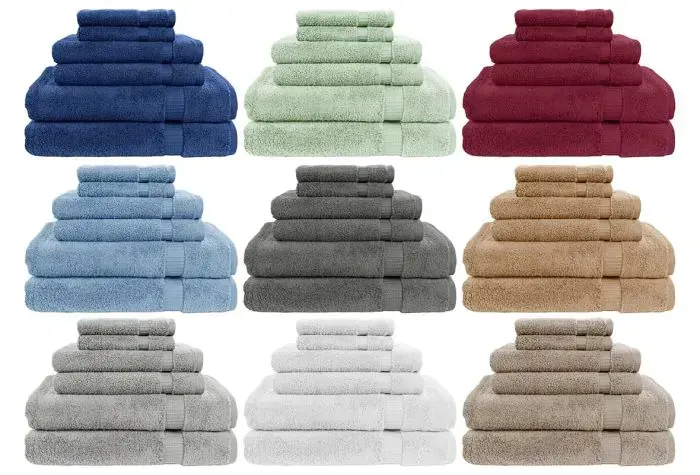
The selection includes bath towels, hand towels, washcloths, and oversized beach towels designed for both everyday home use and travel conditions where durability matters. Oversized beach towels provide enough surface area to lie on sand or grass without direct ground contact, and the low-lint construction prevents sand particles from embedding permanently in the fabric loops. Towels are sold in coordinated sets that simplify replacement and ensure consistent absorbency across different sizes within the same household.
Arrange an in-store visit to assess towel texture and compare absorbency characteristics before selecting sets for your household.
What Changes After Proper Towel Selection
The fiber construction controls how much water each towel holds before saturation occurs and how quickly moisture transfers from skin to fabric during drying. High-quality cotton uses longer fibers that create more surface area within the pile, allowing faster moisture absorption and reducing the rubbing needed to achieve dryness. This construction also prevents the stiffness that develops in lower-grade towels after repeated washing, maintaining the soft surface feel that makes towels comfortable against skin.
After switching to better-grade towels, you notice less lint accumulation in the dryer trap, faster drying times after bathing, and towels that remain soft even after air drying instead of machine drying. The fabric holds its color longer because the fiber quality resists the fading that occurs when weak fibers break down under detergent exposure and UV light. Beach towels maintain their absorbency even after exposure to chlorine and salt water, conditions that degrade standard terry cloth by weakening fiber bonds and causing premature thinning.
Towel sets include multiple sizes suited to different tasks, from full bath drying to hand washing and face cleaning, which prevents oversized towels from being used for small tasks that wear fabric unnecessarily. Proper towel care involves washing in warm rather than hot water, which preserves fiber elasticity and prevents the shrinkage that makes towels too small for effective drying coverage. Fabric softener should be avoided because it coats fibers and reduces absorbency, while vinegar rinses help maintain the pile structure without leaving residue that blocks moisture transfer.
Common Questions About This Service
Customers often ask about towel performance differences and how construction quality affects everyday use and maintenance requirements.
What makes some towels shed more lint than others?
Lint shedding occurs when short cotton fibers are twisted loosely into yarn, allowing fiber ends to pull free during washing and drying, while long-staple cotton towels use tightly spun yarn that keeps fibers locked in place through repeated use.
How does cotton quality affect drying speed after bathing?
Higher-grade cotton creates more surface area within the towel pile through longer fibers, which allows faster moisture transfer from skin to fabric and reduces the number of passes needed to achieve complete dryness.
When do towels need replacement instead of continued washing?
Replace towels when the pile becomes matted and stops absorbing water efficiently, when fabric develops holes or frayed edges, or when odors persist even after hot water washing, indicating bacterial buildup within degraded fibers.
Why do some towels stay soft while others become stiff?
Fiber quality and washing method both affect softness, with long-fiber cotton maintaining flexibility through many wash cycles while short-fiber varieties stiffen as fibers break and lose their natural elasticity under repeated mechanical stress.
How should beach towels be cleaned after saltwater exposure?
Rinse beach towels thoroughly with fresh water immediately after ocean use to remove salt crystals that embed in fibers and cause abrasion during washing, then launder in warm water without fabric softener to maintain absorbency and prevent fiber coating.
MyPillow AND MORE maintains in-store inventory of towel sets in multiple color options for immediate purchase. Visit the Williston location to handle fabric samples and evaluate absorbency differences between construction grades before buying.