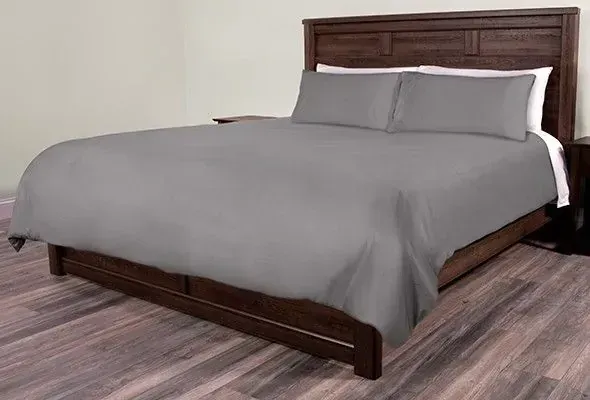

Layers That Regulate Temperature Year-Round
Bedding in Williston for sleepers who overheat under synthetic materials or need natural fibers that breathe in dry climates
When you sleep under polyester-blend sheets in a heated bedroom during a North Dakota winter, moisture gets trapped against your skin instead of evaporating into the air. My Pillow and Mattress Store carries sheets made from organic cotton, linen, and bamboo-derived rayon that wick perspiration and allow airflow between your body and the blanket layers above. The store also stocks quilts and blankets in both standard and premium weights so you can layer bedding based on seasonal temperature shifts without relying solely on one heavy comforter.
The selection includes fabrics with different weave structures and thread counts, which affect softness, durability, and how the material feels against bare skin. Percale weaves create a crisp, cool surface, while sateen finishes produce a smoother, slightly warmer hand. You can compare fabric samples in the store to evaluate texture, weight, and whether the material resists wrinkling after washing.
Request fabric samples to assess how different weaves and materials feel before outfitting your entire bed.
How Bedding Addresses Sleep Temperature
Bedding regulates sleep temperature through fiber structure and layering strategy rather than electric heating or cooling devices. Natural fibers like cotton and linen absorb moisture without feeling damp, while wool quilts insulate without trapping heat because the crimped fiber structure creates air pockets that buffer temperature swings. Synthetic microfiber may feel soft initially but tends to hold body heat and static charge, especially in low-humidity environments common across Williston during winter months.
After switching to breathable bedding at My Pillow and Mattress Store, you notice fewer instances of waking up overheated or kicking off blankets in the middle of the night. Sheets dry faster between your body and the mattress surface, and layered quilts let you adjust insulation by adding or removing a blanket instead of changing the entire bed setup. Organic materials also reduce chemical odor from fabric treatments, which matters if you're sensitive to off-gassing from new textiles.
Bedding durability depends on fiber length and weave density—longer cotton staples resist pilling and tearing better than short-fiber blends, and tighter weaves hold up under repeated washing. You may also want to consider pillowcase fabric separately if you prefer a cooler surface for your face and neck than what works for your body under the top sheet.
Common Questions About This Bedding Selection
Customers often ask about thread count, fabric care, and how to layer bedding effectively for year-round comfort.
What does thread count actually indicate about sheet quality?
Thread count measures how many threads are woven into one square inch of fabric, but counts above 400 often involve thinner multi-ply yarns that don't improve durability or softness. Single-ply long-staple cotton at 300 to 400 thread count typically outlasts multi-ply sheets marketed at 800 or higher.
How do I layer bedding for temperature flexibility?
Start with a fitted sheet and flat sheet, add a lightweight quilt or blanket as a base layer, then include a heavier blanket or duvet for colder months. You can remove the top layer without remaking the bed when indoor temperatures rise or when your body runs warmer on certain nights.
Why do organic sheets feel different from conventional cotton?
Organic cotton is grown without synthetic pesticides and processed without harsh chemical finishes, leaving the fiber softer and more absorbent from the first wash. Conventional cotton often includes formaldehyde-based wrinkle treatments and optical brighteners that stiffen the fabric until multiple wash cycles break down the coatings.
What care instructions extend bedding lifespan in Williston's dry climate?
Wash bedding in warm water with minimal detergent to avoid residue buildup, and dry on medium heat to prevent excessive shrinkage. Low humidity reduces the need for fabric softeners, which can coat natural fibers and reduce their moisture-wicking ability over time.
When should I replace sheets and blankets?
Visible thinning, torn seams, or fabric that no longer feels smooth against your skin all signal material breakdown. Most natural fiber sheets last three to five years with regular washing, while synthetic blends degrade faster and lose softness as fibers compress and mat together.
My Pillow and Mattress Store maintains bedding options that pair with your mattress and pillow setup for consistent sleep surface comfort. Stop by the Williston showroom to compare fabrics and layer combinations that match your seasonal temperature needs and fabric preferences.